Publication Design
Made to be read.
Magazines, books, guides and workbooks with considered layouts and typography, designed for print, screen or both.
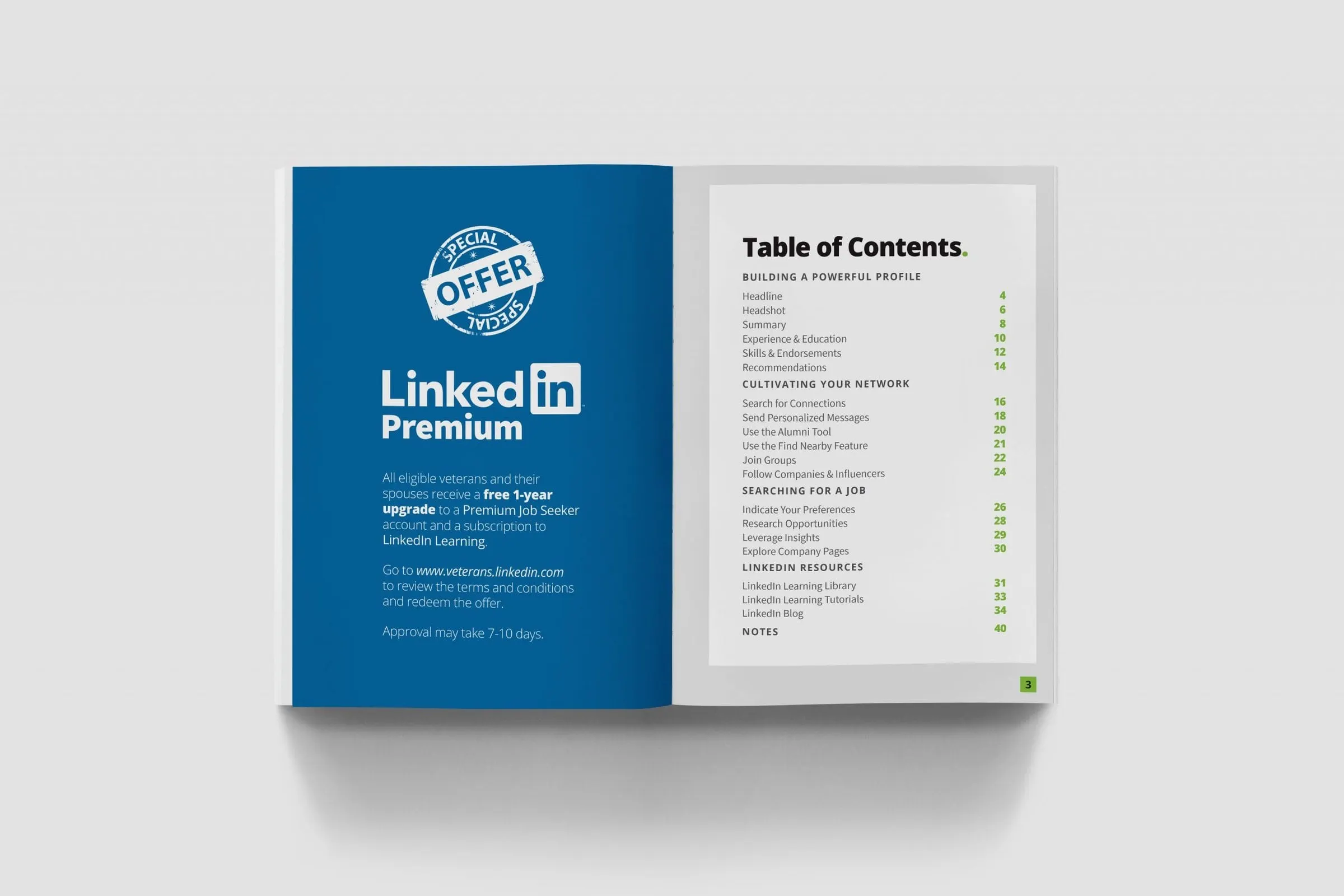
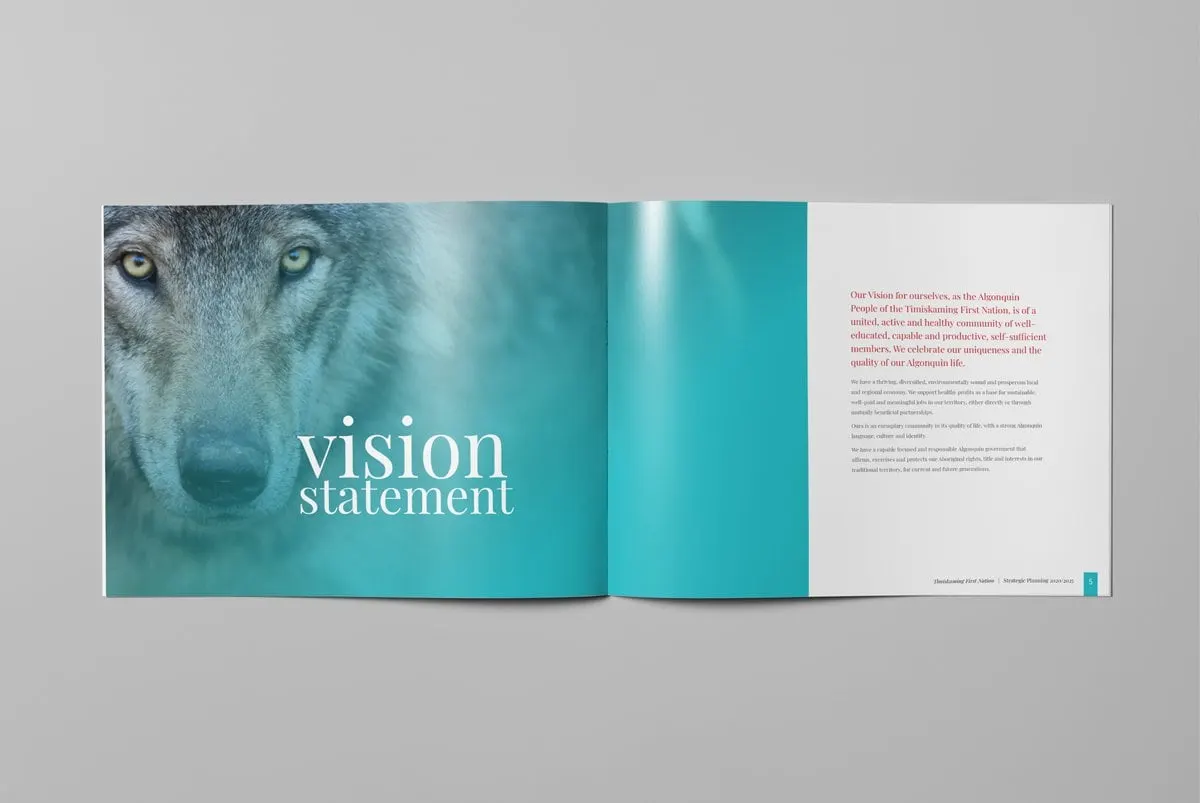
Long-form design is a quiet craft. Good publication design never shouts. It guides the reader from page to page so smoothly they don’t notice the work behind it. That’s the goal.
What is publication design?
Long-form, done right.
Publication design is the layout and design of multi-page documents: magazines, books, guides, workbooks, manuals and booklets. It relies on a strong typographic system, consistent grids and careful pacing so readers can move through a lot of content comfortably.
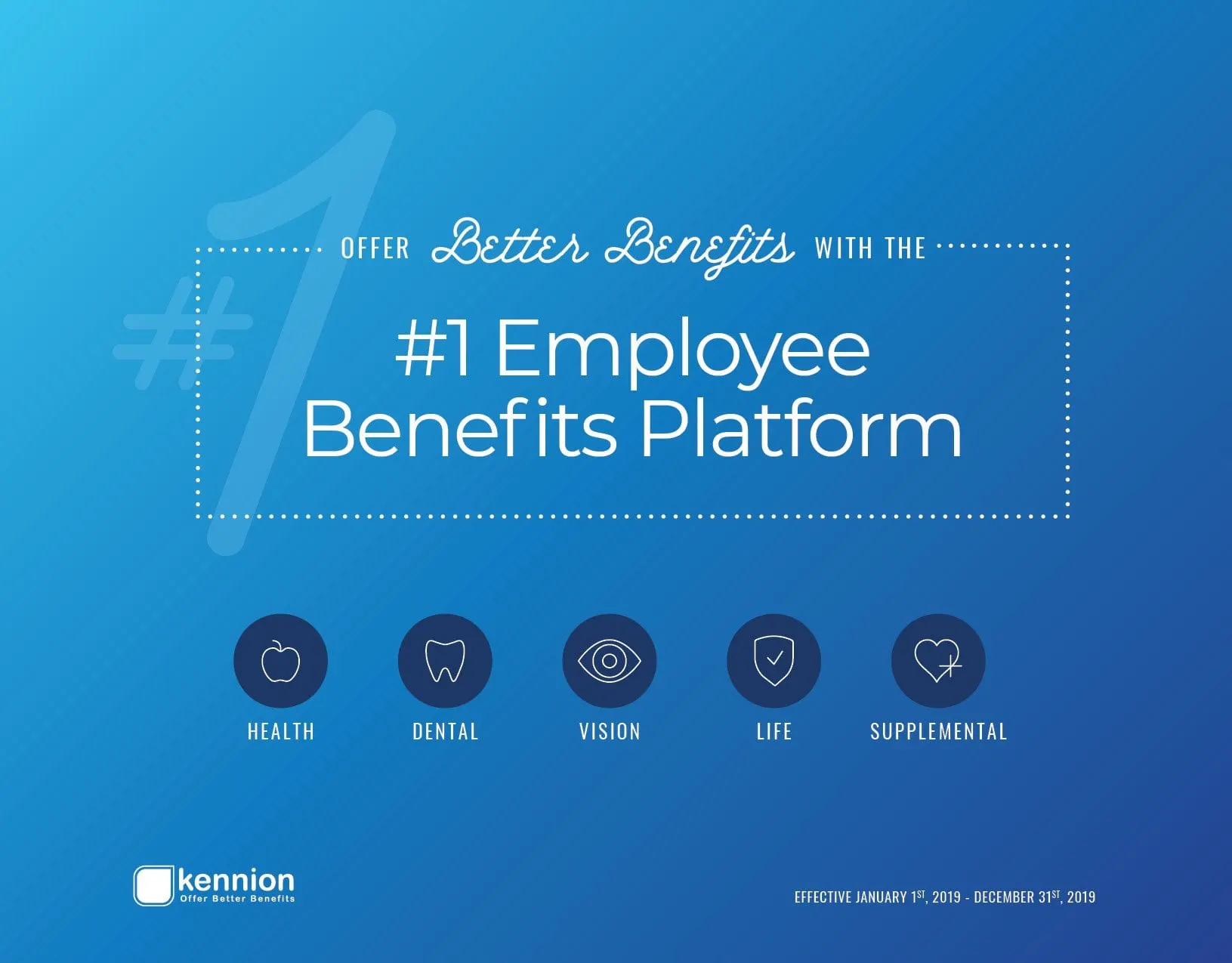
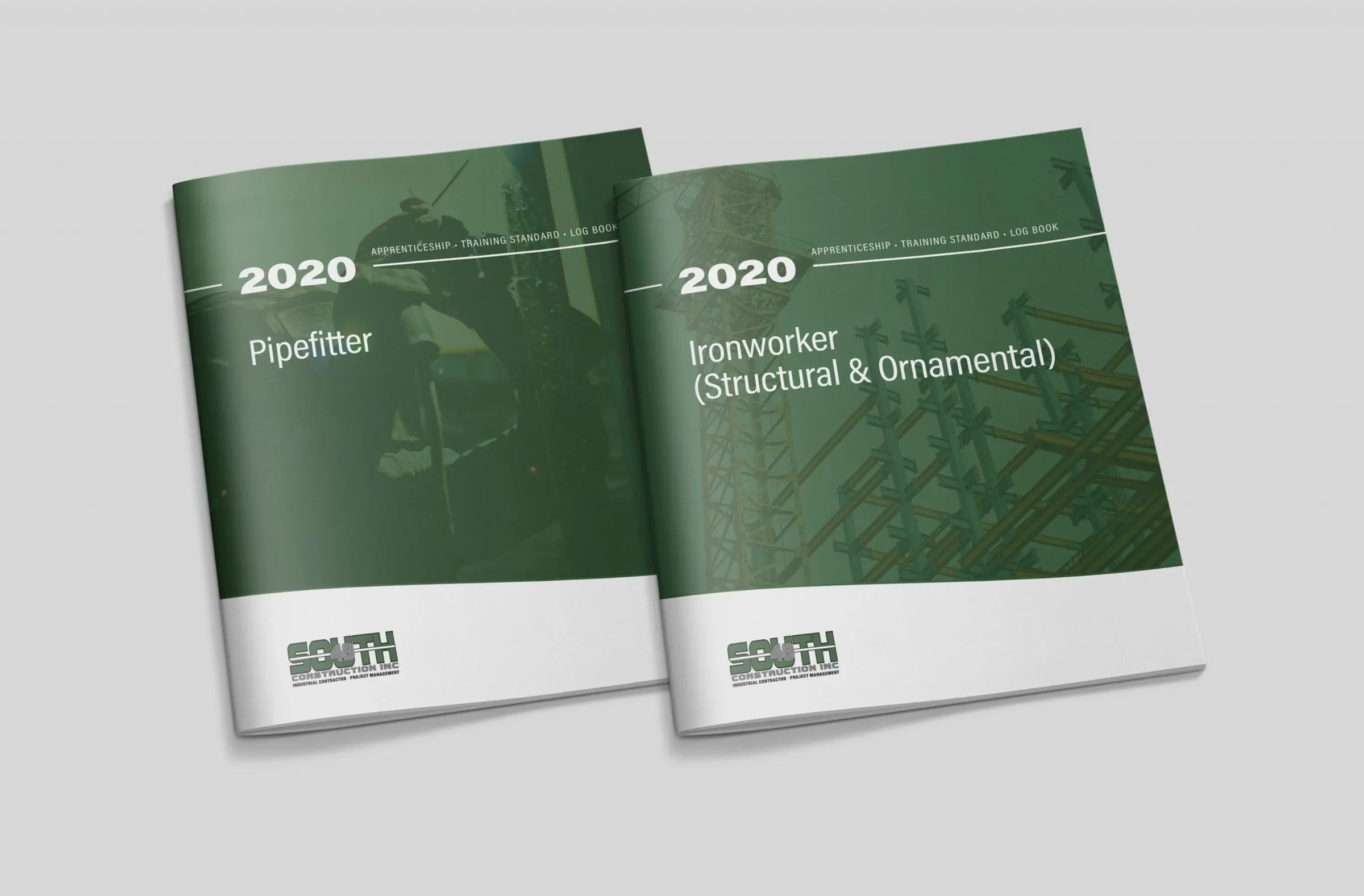
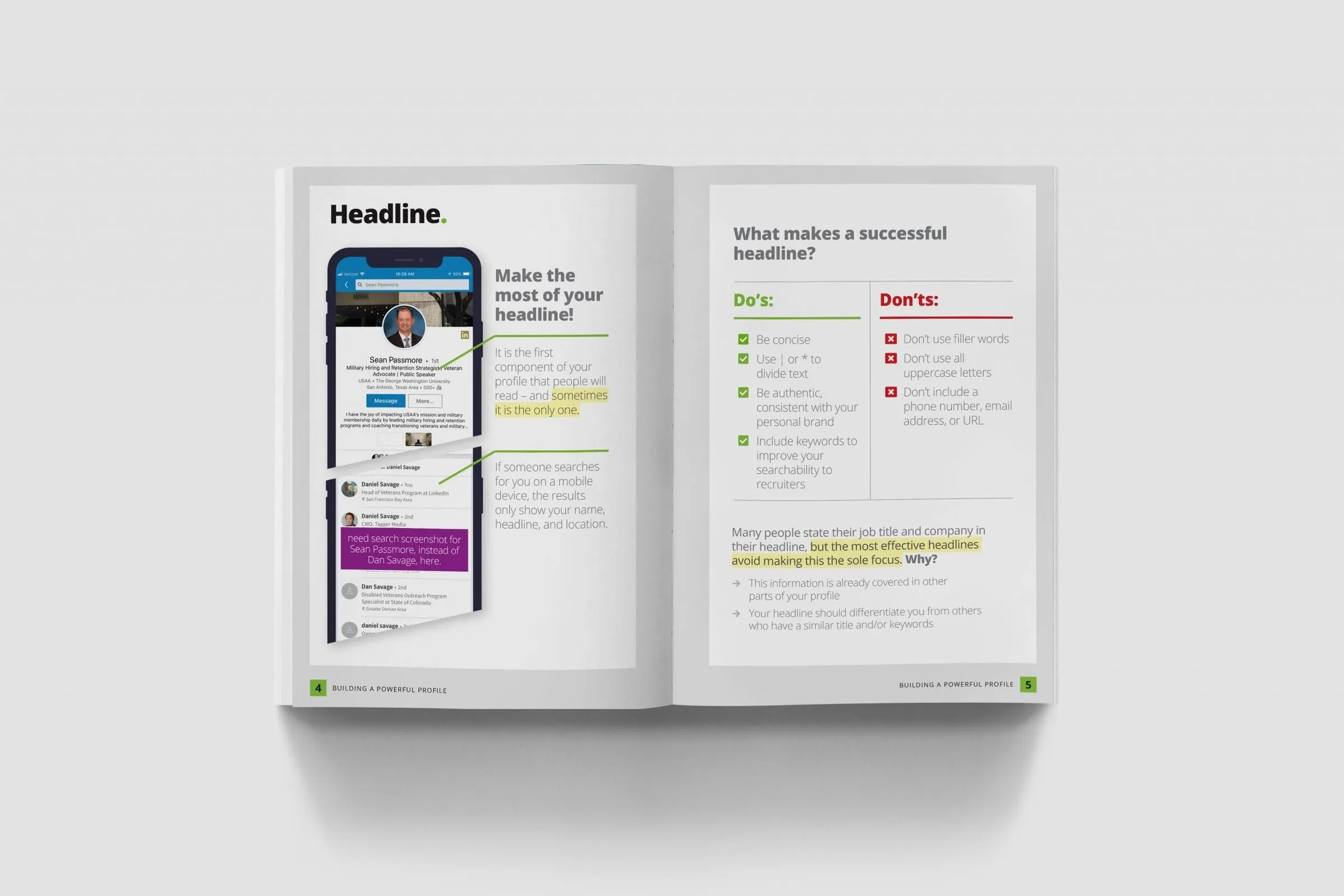
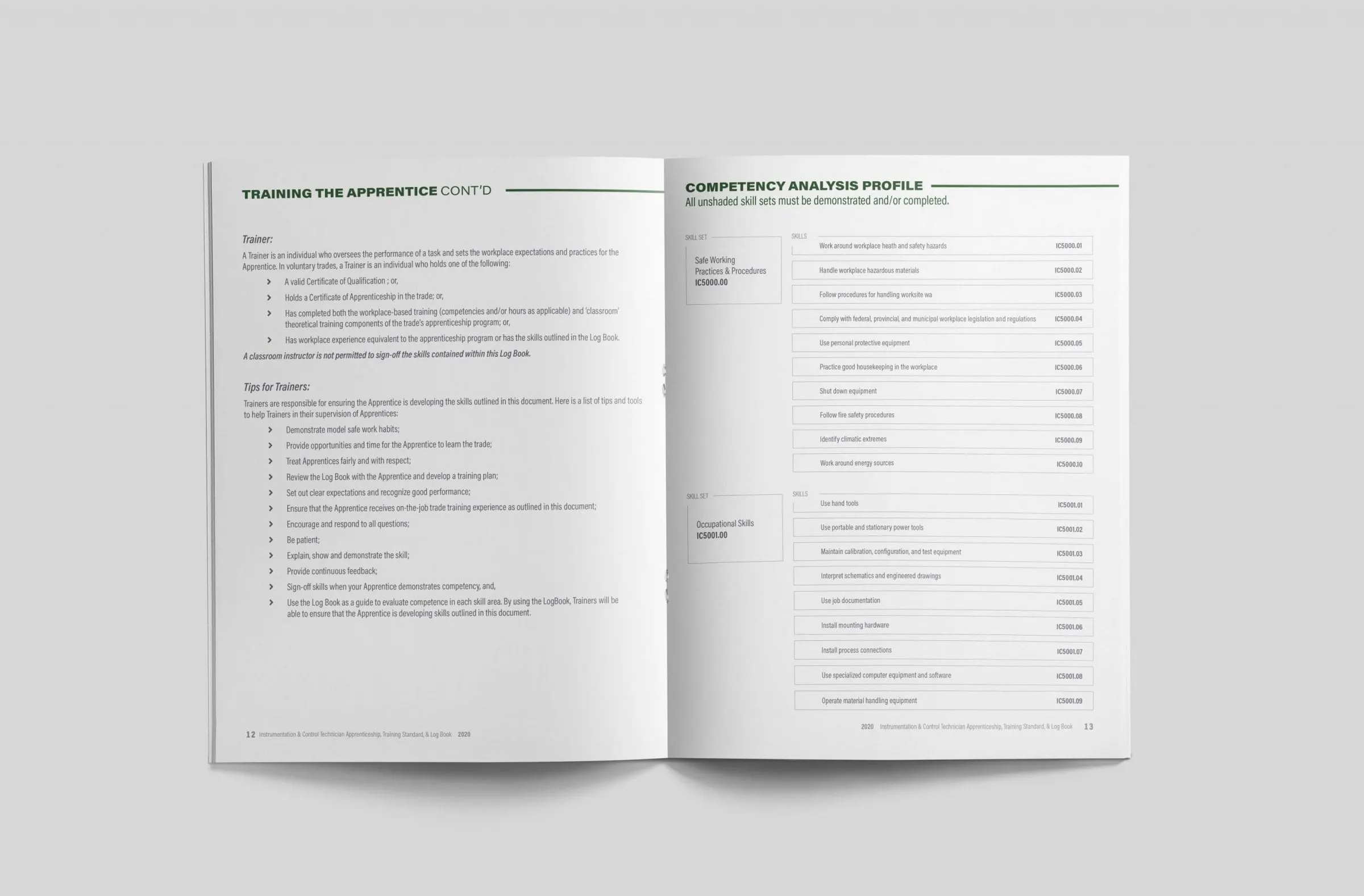
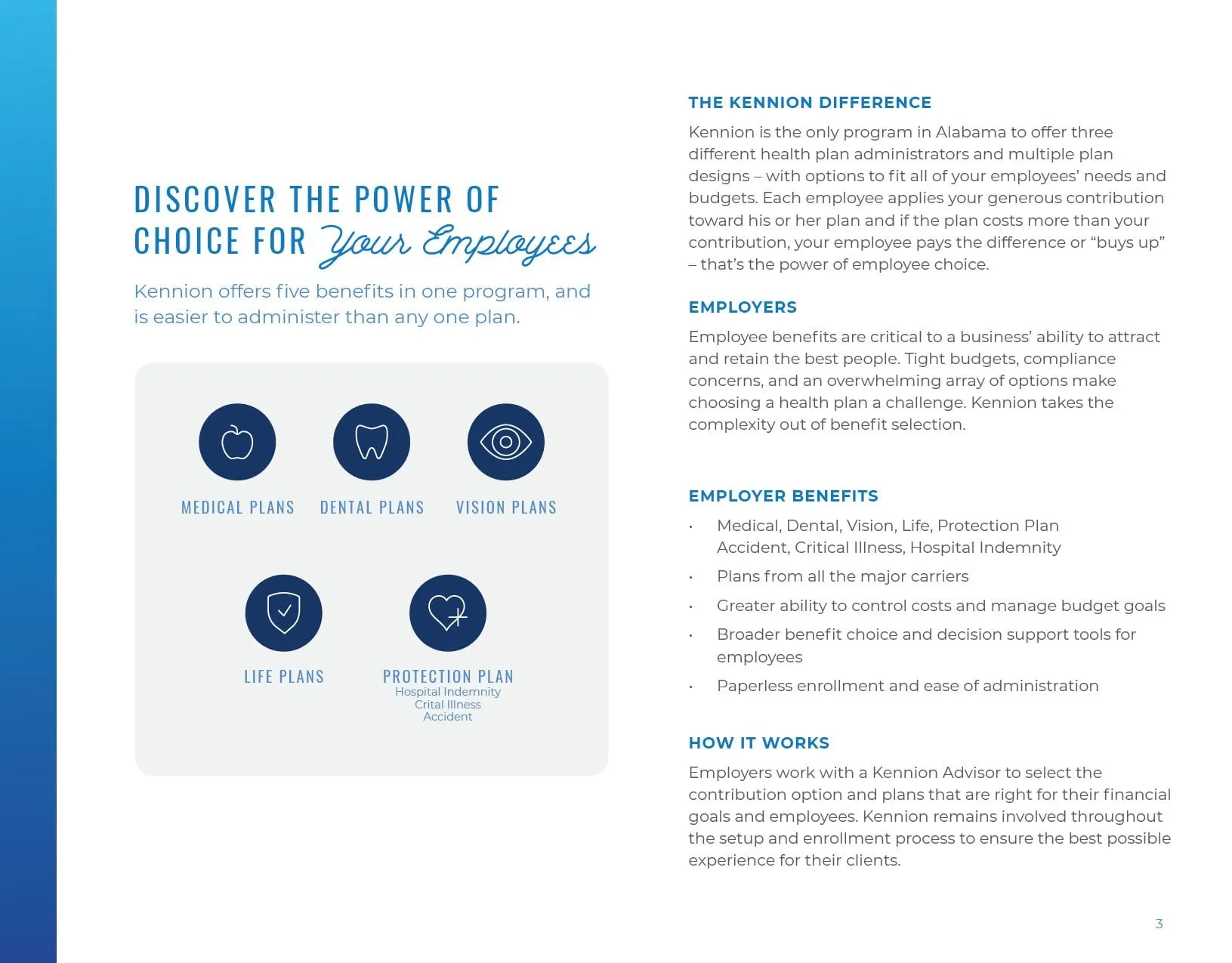
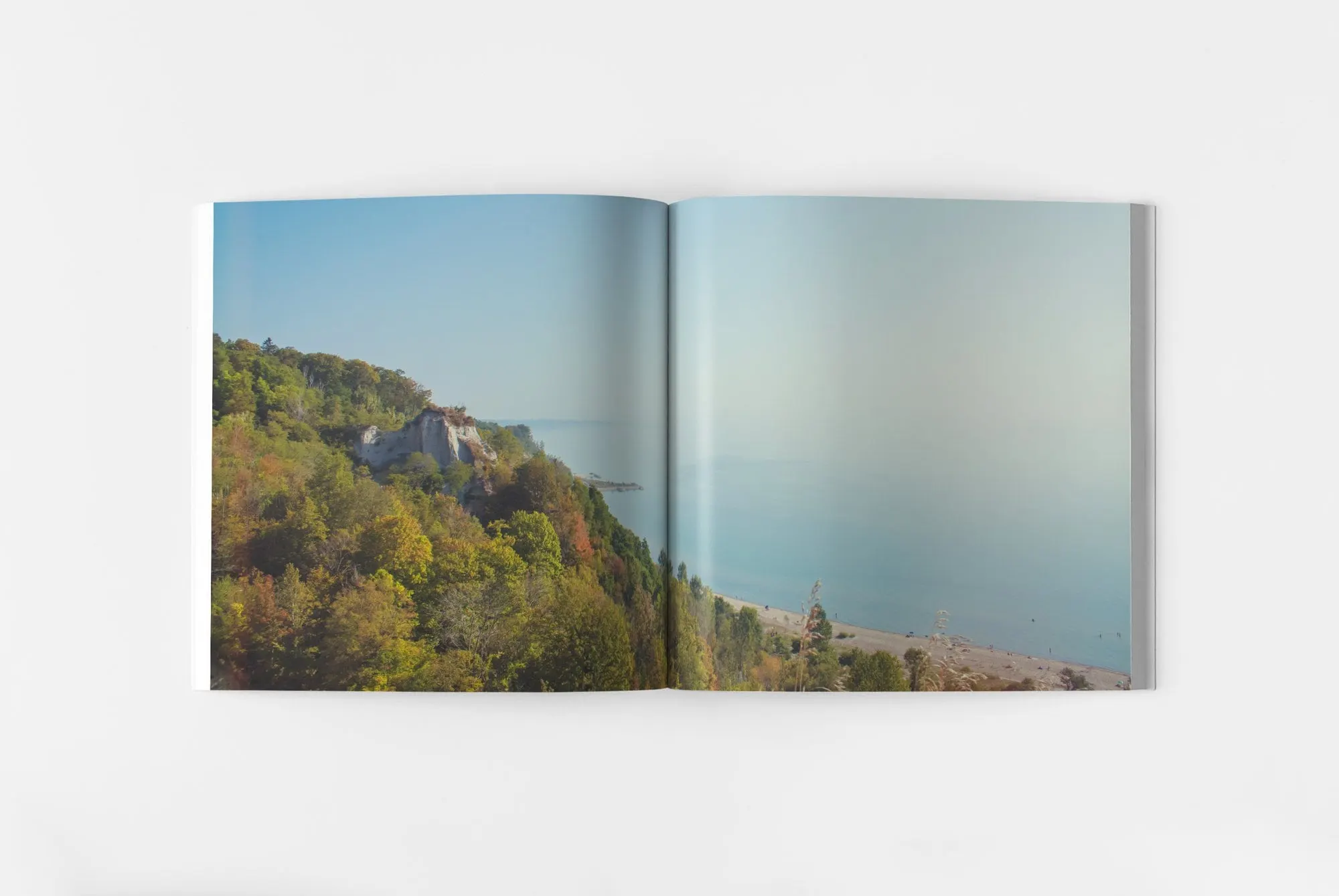
We have designed guides and booklets for Deloitte, benefits guides for Kennion, an apprenticeship log book and manual for South 49, and photo books.
Shorter pieces? See brochure design. Reporting on a year? See annual report design.
What we design.
Every kind of long-form document.
Have something worth publishing?
How we design publications.
A system first, then every page.
-
01Plan
Content & Format
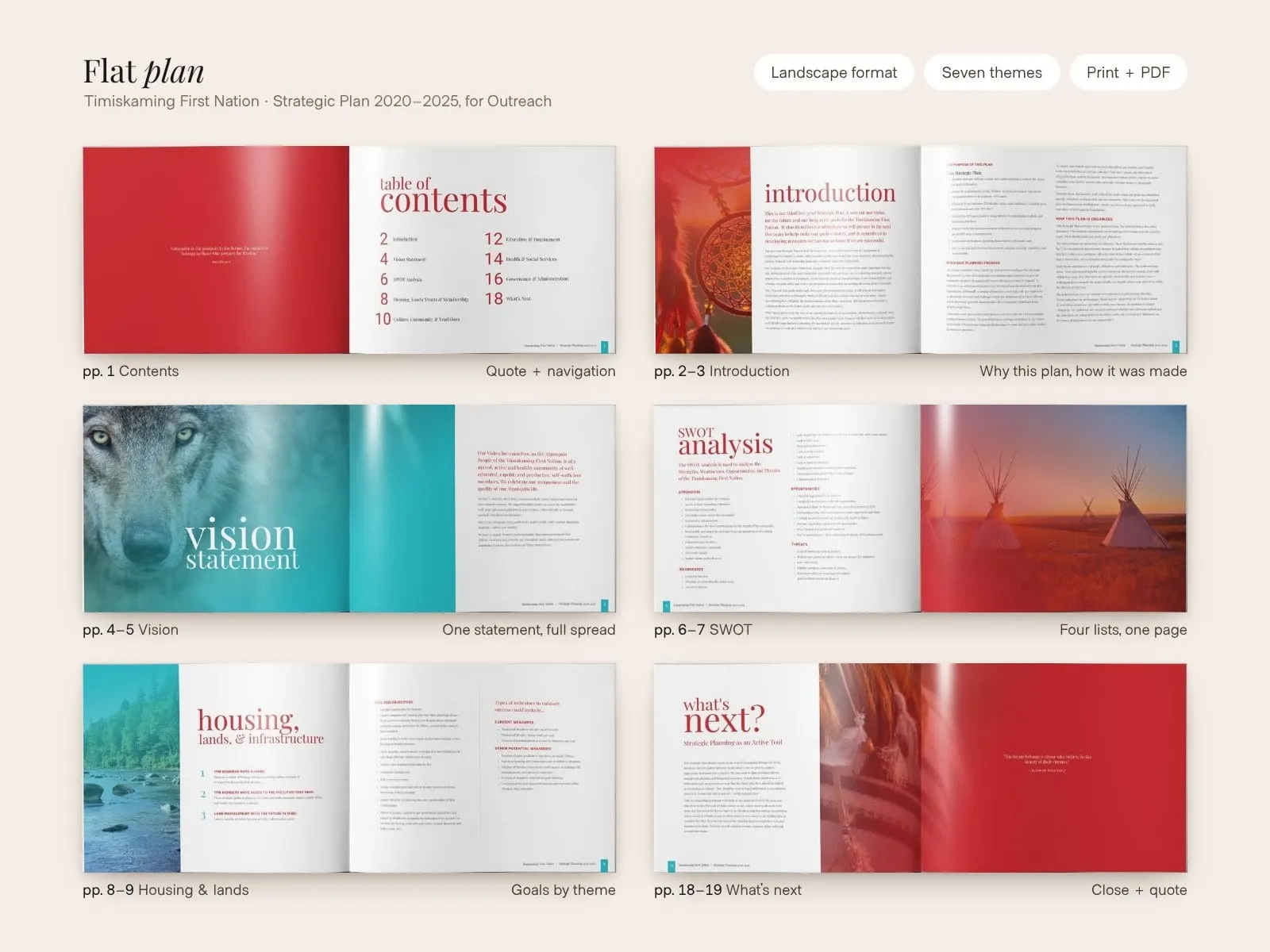
We review the content and agree on format and length. Magazines, books, catalogues, guides and newsletters each have different needs, from page size and binding to how readers move through them.
Settling the format early helps us plan how much space each section needs and how images and text will work together. With those decisions made, we can design the typographic system and templates that hold everything together.
-
02System
Grid & Type
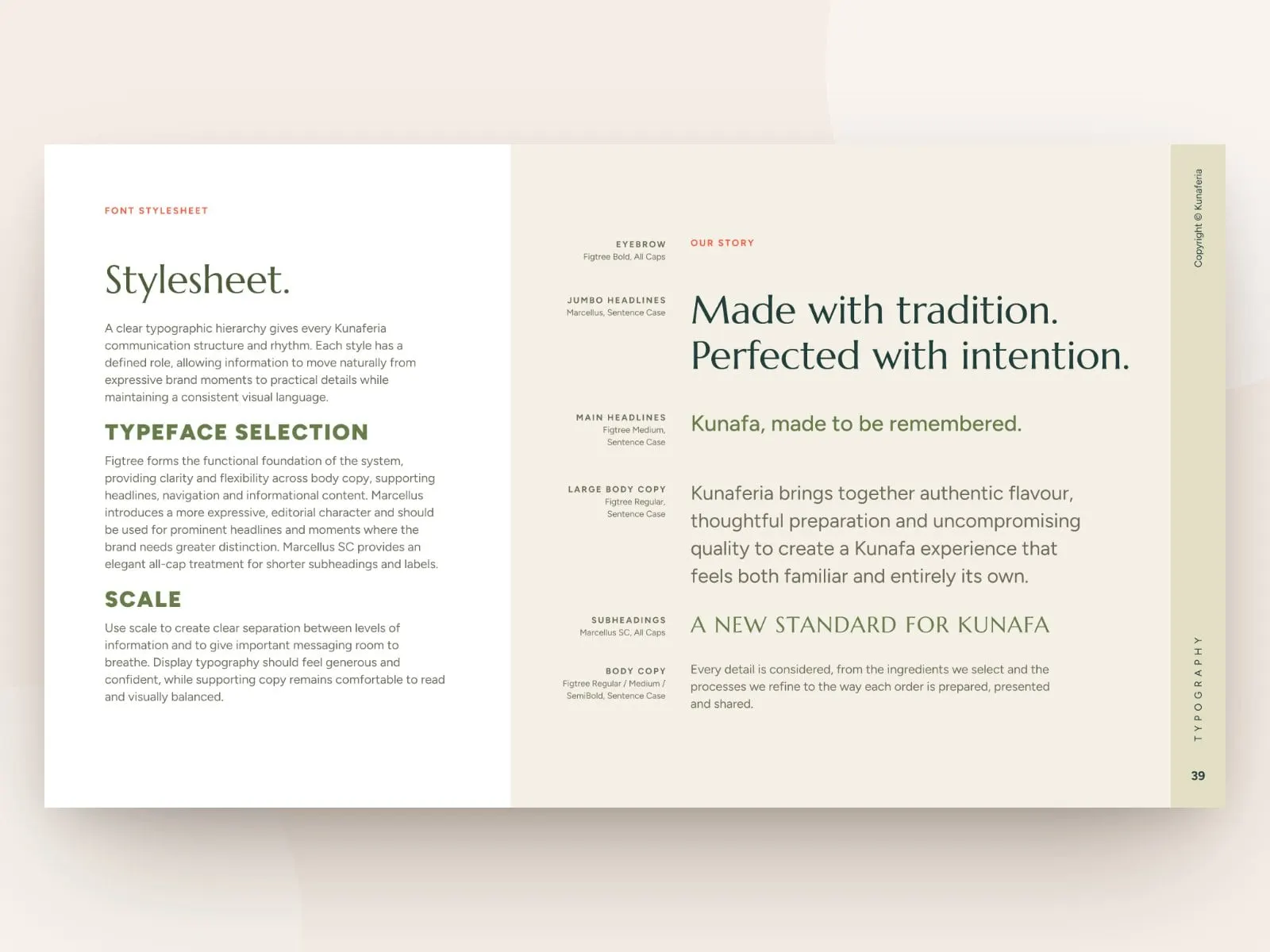
We design the typographic system and page templates that give your publication its structure and personality. The grid sets the rhythm, and the type hierarchy makes headlines, body copy and captions easy to follow.
A strong system keeps long documents consistent and readable from cover to cover. It also makes layout faster and more reliable, since every page builds on the same foundation instead of being reinvented each time.
-
03Layout
Layout
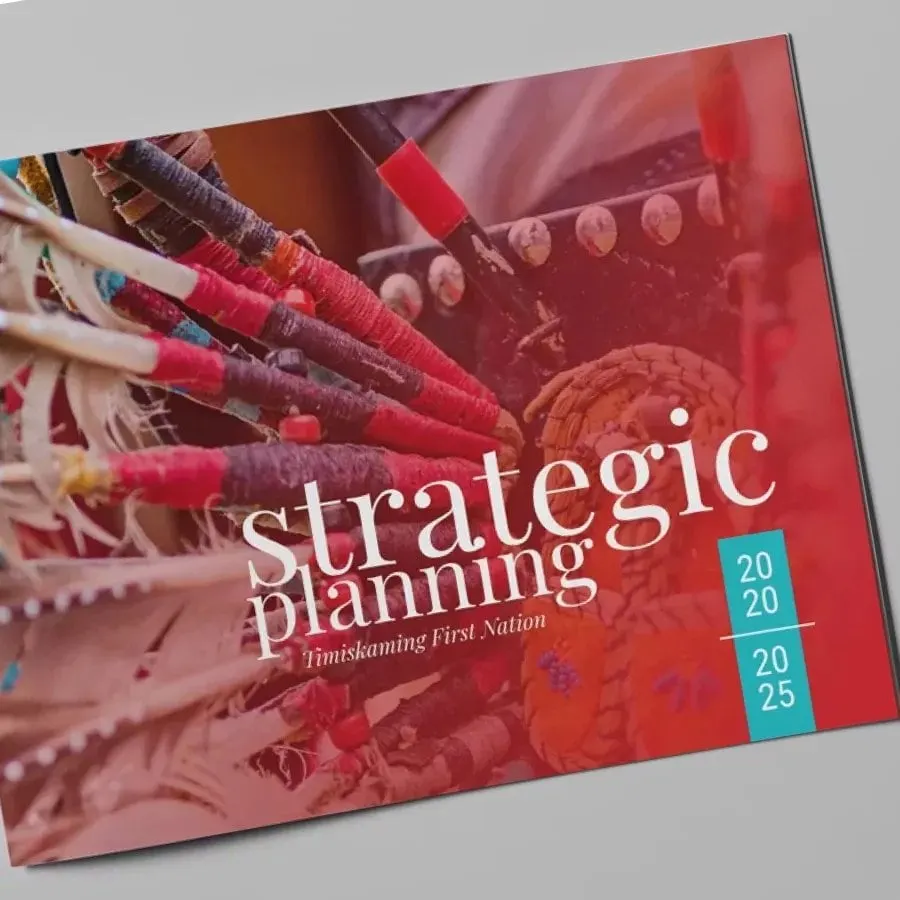
We lay out every page and refine with your feedback. Text and images are balanced so pages feel open and inviting rather than crowded, with features, sidebars and pull quotes used to keep readers moving.
You review the layout in rounds, and we adjust until every spread works. Once the pages are approved, we prepare everything for print and digital release.
-
04Deliver
Files
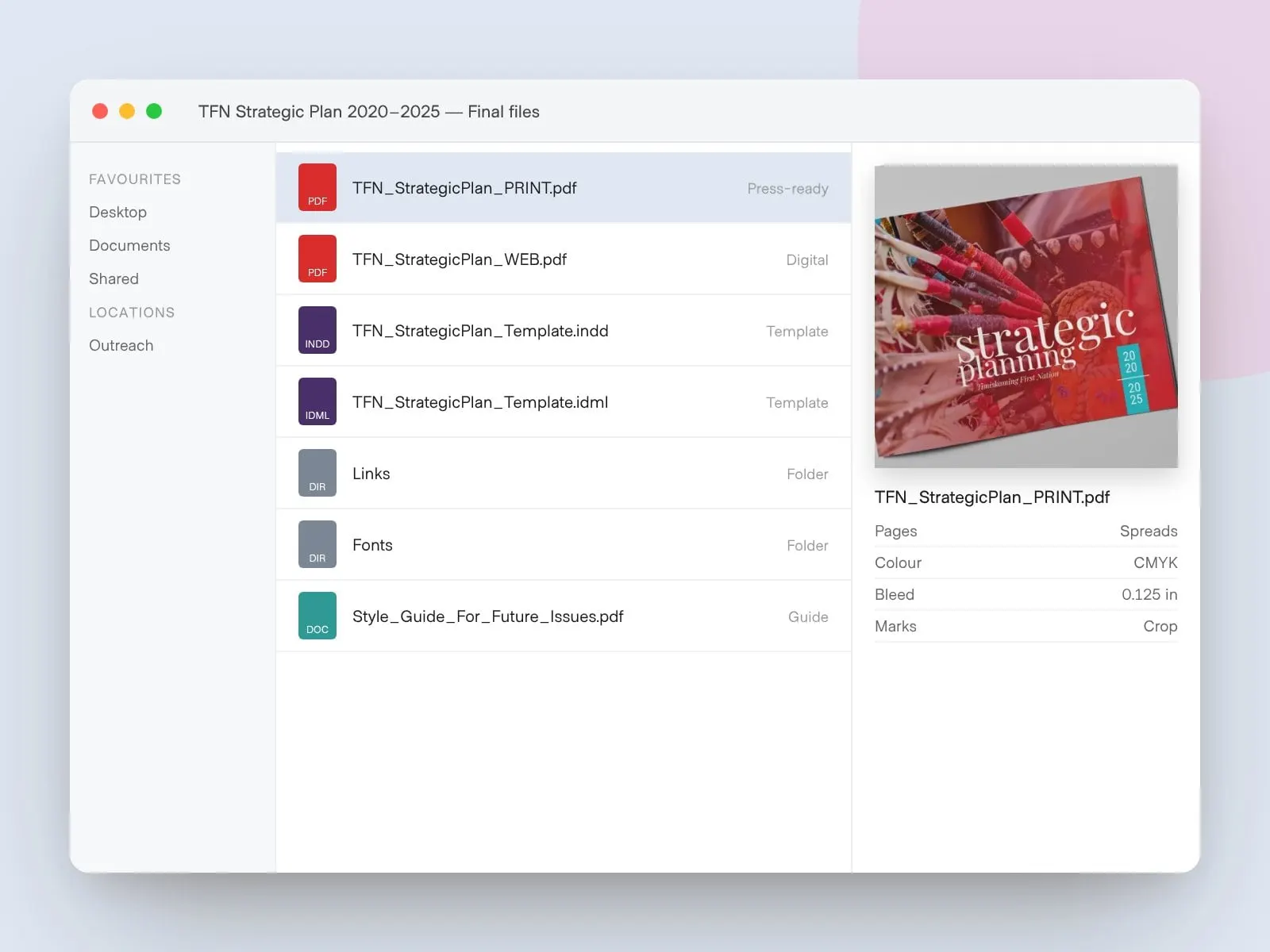
Print-ready and digital files, plus templates for future issues. Print files are set up to your printer’s specifications, and digital versions are ready for your website or email.
Templates make the next edition easier, whether your team handles layout in-house or we stay involved. Your publication design stays consistent issue after issue, which helps readers recognize it the moment it lands on their desk or in their inbox.
Publications people finish.
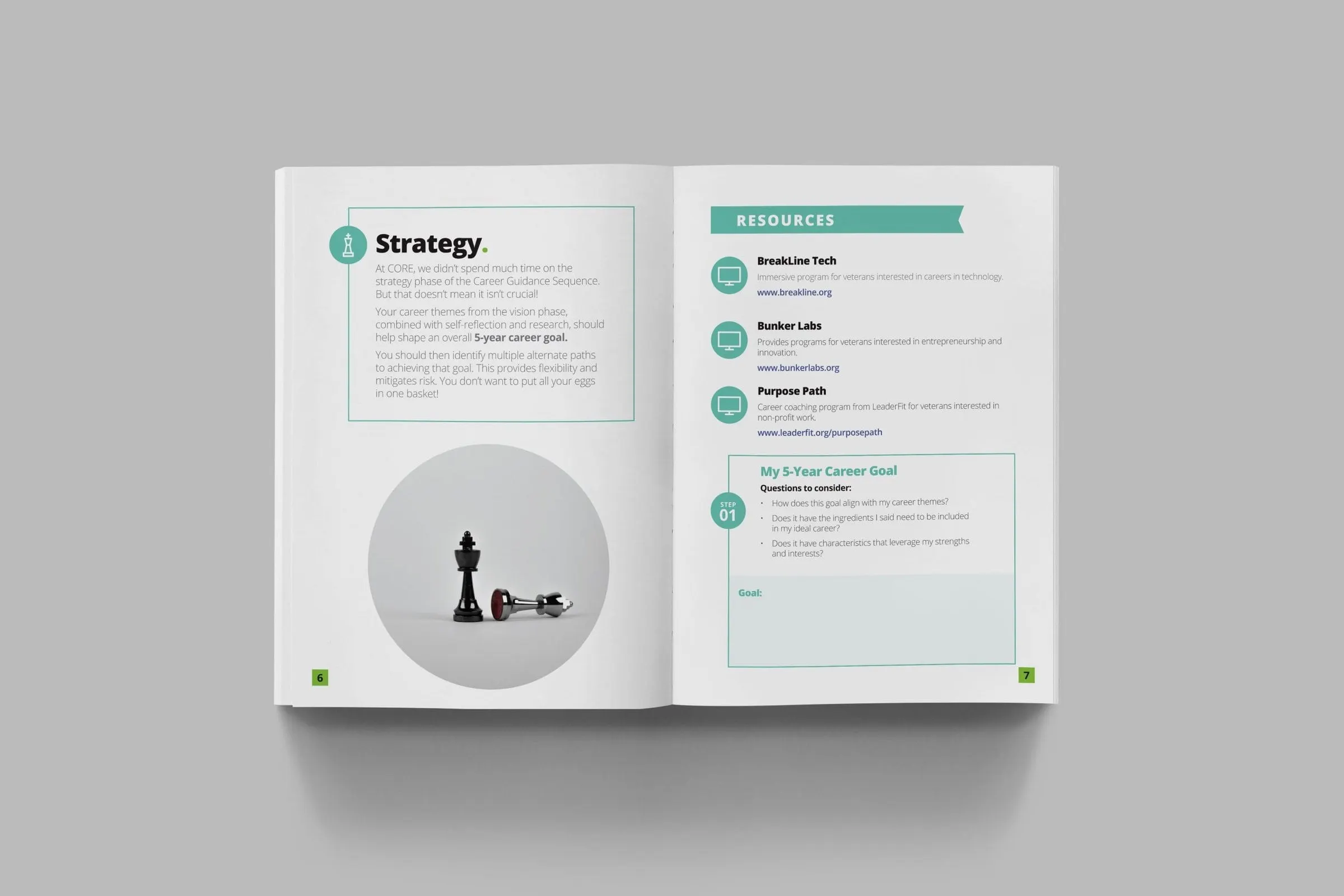
Pacing and typography are what make people finish a publication. Whether it’s a magazine, a book, a guide or a workbook, we plan how readers move through every spread, so the content is comfortable to read in print, on screen or both.
Typography first
Readable, consistent and beautiful. Typefaces, sizes and spacing are chosen with long-form reading in mind, so people stay comfortable through page after page.
Strong systems
Grids and templates that scale. A clear structure keeps every issue or chapter consistent and makes future editions faster and easier to produce.
Detail-obsessed
Every page is considered. Widows, orphans, captions and image placement all get attention, because small details are what make a publication feel finished.
Print and screen
Designed for both. Layouts are set up for print and adapted for digital PDFs or online reading, so the experience holds up wherever it’s read.
We’ve earned some good company. Recognize anyone?










Beyond their technical expertise, what truly stood out was how personally invested the team was in our success. They took the time to understand our business priorities and consistently aligned their work to meet those objectives.

We had an incredibly short and aggressive timeline that Envy Design Co. met, delivering an incredible website. After the websites were launched, leads continued to come in.

Their communication, attention to detail, and commitment to measurable outcomes made them feel like genuine partners rather than just a vendor. They are terrific.

Ready to build something worth envying?
Tell us a bit about your goals and we’ll be in touch as soon as we’re able to explore how we can help bring your vision to life.
Frequently asked questions.
What is publication design?
The layout and design of multi-page documents like magazines, books, guides, manuals and workbooks.
Publication design is about making long-form content easy and enjoyable to read. That includes choosing typography, setting up grids and page layouts, creating consistent styles for headings, captions and pull quotes, and planning how images, tables and charts fit alongside the text. Good publication design guides readers through the content, helps them find what they need and keeps the whole document consistent from page one to the end. It also reflects your brand, so every publication feels like it comes from the same organization.
Can you design templates for recurring publications?
Yes. We design templates for magazines, newsletters and reports so future issues stay consistent.
Recurring publications benefit enormously from a strong template. We design the layout system, typography, colour use and recurring sections, like the cover, contents, features and regular columns, then build templates that make each new issue faster to produce. Depending on your team, templates can be set up in InDesign for designers or in more familiar tools for in-house staff. Each issue still has room for fresh layouts and features, but the core design stays consistent, which helps readers recognize and trust your publication.
Do you design for print and digital?
Yes. We deliver print-ready files and digital versions, including interactive PDFs.
Many publications are printed and shared online, so we design with both in mind. Print-ready files are prepared to your printer's specifications, with the correct bleed, colour and resolution. Digital versions are optimized for screens and reasonable file sizes, so they're easy to download or email. Interactive PDFs can include clickable contents pages, links and navigation, which make long guides, manuals and reports much easier to use. We'll recommend the right formats based on how your readers will access your publication.
Can you handle long documents?
Yes. We regularly design long documents with complex content, tables and data.
Long documents need a clear system to stay readable. We start by reviewing the content and structure, then design consistent styles for headings, body text, tables, charts, callouts and captions. That system keeps a 100-page publication as tidy as a 10-page one. We use features like automated contents pages and paragraph styles to keep things accurate and efficient as content changes. Complex tables and data get special attention, because they're often the hardest part to read. You get a publication design that's easy to navigate from start to finish.
How much does publication design cost?
It depends on page count, complexity and format. Every project is quoted individually.
Publication design costs vary with the number of pages, how much content needs organizing or editing, the number of tables, charts and images, and whether you need print, digital or interactive versions. Templates for recurring publications are another factor, though they usually make future issues more efficient. Printing is a separate cost, and we can help coordinate it. Tell us what you're publishing, roughly how long it is and when you need it, and we'll send a clear quote.
Related
Related services
Resources & articles
View all articles